


How to Follow Up With Leads: The Enrollment Playbook for Teen Program Providers
Posted May 12, 2026, 3:08 pm by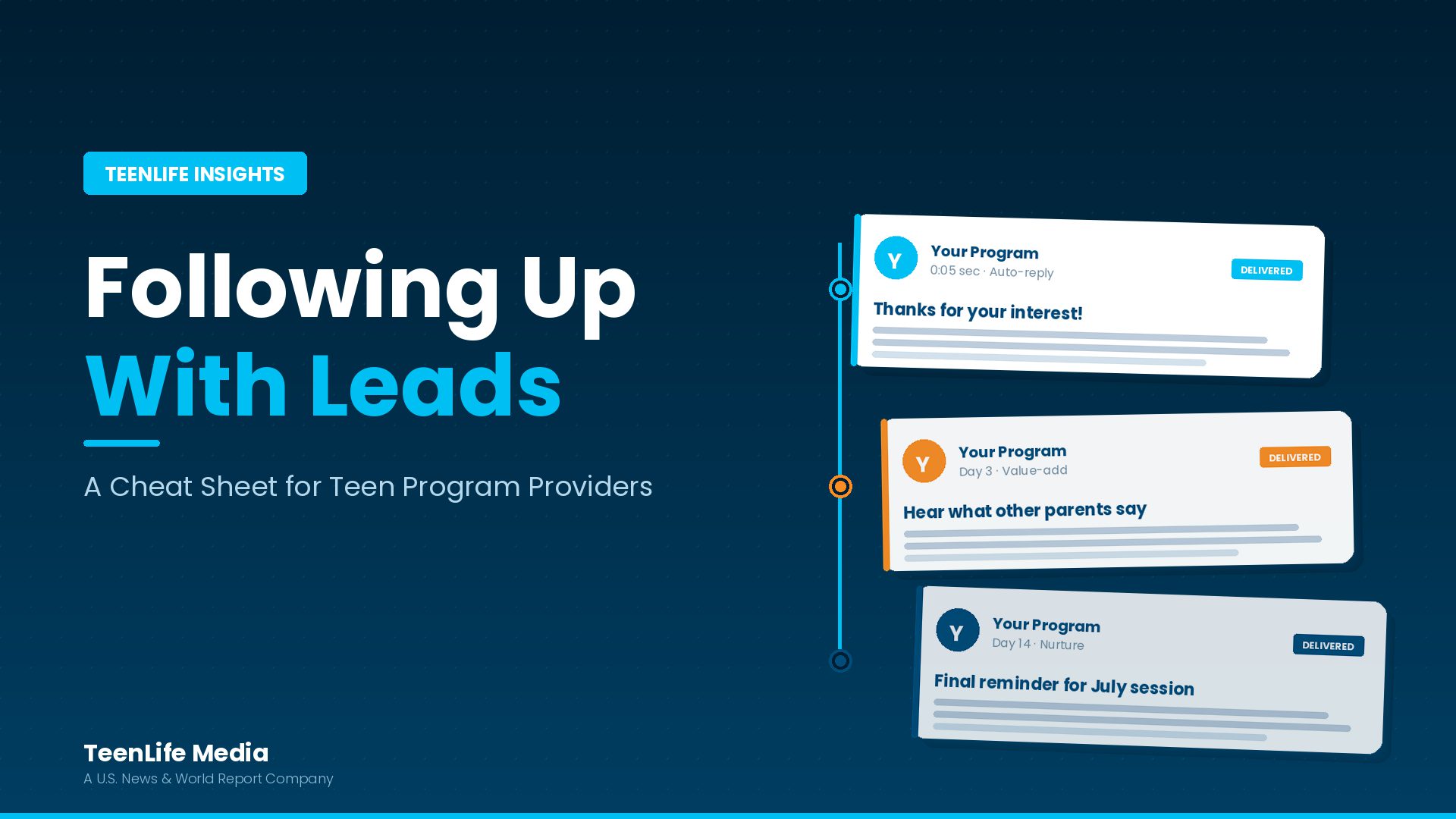
A family fills out your inquiry form on a Tuesday night. They're curious. They're comparing two or three programs. By Friday, when your admissions coordinator gets around to calling them, they've already paid a deposit somewhere else.
If you run a teen program, this scenario probably looks familiar. It's the single biggest fixable gap in most enrollment processes, and it has almost nothing to do with the quality of your program. It comes down to how you follow up with leads, how fast you do it, and whether you have a real system behind it.
This guide breaks down what works, what doesn't, and what a follow-up sequence should actually look like for summer programs, gap year experiences, pre-college programs, and other teen-focused offerings. At the end, we've included a free cheat sheet you can keep next to your admissions desk that goes deeper into the timing, templates, and channel tactics.
Why follow-up speed decides who fills seats
Most program providers think enrollment is decided by price, location, or program quality. Those matter, but they're rarely the tiebreaker. Speed is.
Research from the Lead Response Management Study (a joint project from MIT and InsideSales.com) found that companies are 21 times more likely to qualify a lead if they respond within five minutes versus 30 minutes. Harvard Business Review's follow-up audit of more than 2,200 U.S. companies found that the average first-response time was 42 hours, and only 37% responded within an hour. The gap between intent and outreach is where enrollments get lost.
For families researching teen programs, the dynamic is even sharper. Parents often request information from three or four programs in a single sitting. The first program that responds with something useful and personalized usually wins the conversation, regardless of whether they're objectively the best fit. By the time the slower providers reach out, the family has already committed time, emotional energy, and sometimes a deposit elsewhere.
How to follow up with leads: the five-phase sequence
Most providers treat follow-up as one event: send an email, maybe a call, move on. That's why most follow-up fails. Effective lead follow-up is a sequence with five distinct phases, each with a different purpose and a different message.
Phase 1: The instant acknowledgment (0-5 minutes)
The moment a family submits an inquiry, they should get a response. Not a thoughtful human response, that comes later. An automated, branded confirmation email triggered by the form itself.
The job of this message is small but critical: confirm that the inquiry came through, name the specific program the family asked about, and set the expectation that a real person will follow up the same day. If you don't have this set up, it's the single biggest change you can make this week.
Phase 2: The same-day personal touch
Within four hours of the inquiry, an actual admissions team member should reach out by phone or personalized email. Reference the specific program. Reference the session dates if they picked one. Ask a question instead of pitching.
The phrasing that works: "I saw you were looking at our [Program Name] for [session]. What made you curious about it?" That single question does more for conversion than any brochure. It moves the conversation from broadcast to dialogue.
Phase 3: The value-add follow-up (Day 2-3)
This is where most programs slip. They check in with "Just making sure you got our email!" That message gives the family nothing to act on. Worse, it telegraphs that the program has nothing else to say.
A value-add follow-up gives the family something useful: a short parent testimonial, a two-minute video from last summer's session, a quick FAQ doc that addresses the questions parents ask most. The point isn't to sell. It's to demonstrate, in one more touchpoint, that you understand what they're trying to figure out.
Phase 4: The gentle check-in (Day 5-7)
If you haven't heard back, a soft check-in is appropriate. The message should not be "Are you still interested?" That puts the burden on the family to justify their silence. Instead, offer something concrete: a quick call with the program director, an answer to a specific question they might have, or a one-paragraph "here's what makes us different" recap.
Phase 5: Nurture mode (Day 14+)
If a family hasn't enrolled by the two-week mark, they're not lost, they're just not ready. Move them to a nurture sequence that drops a useful message every week or two: an enrollment deadline reminder, a parent story, an FAQ they probably haven't seen, a photo from a current session. The goal is to stay top of mind so that when they're ready to decide, you're the program they think of.
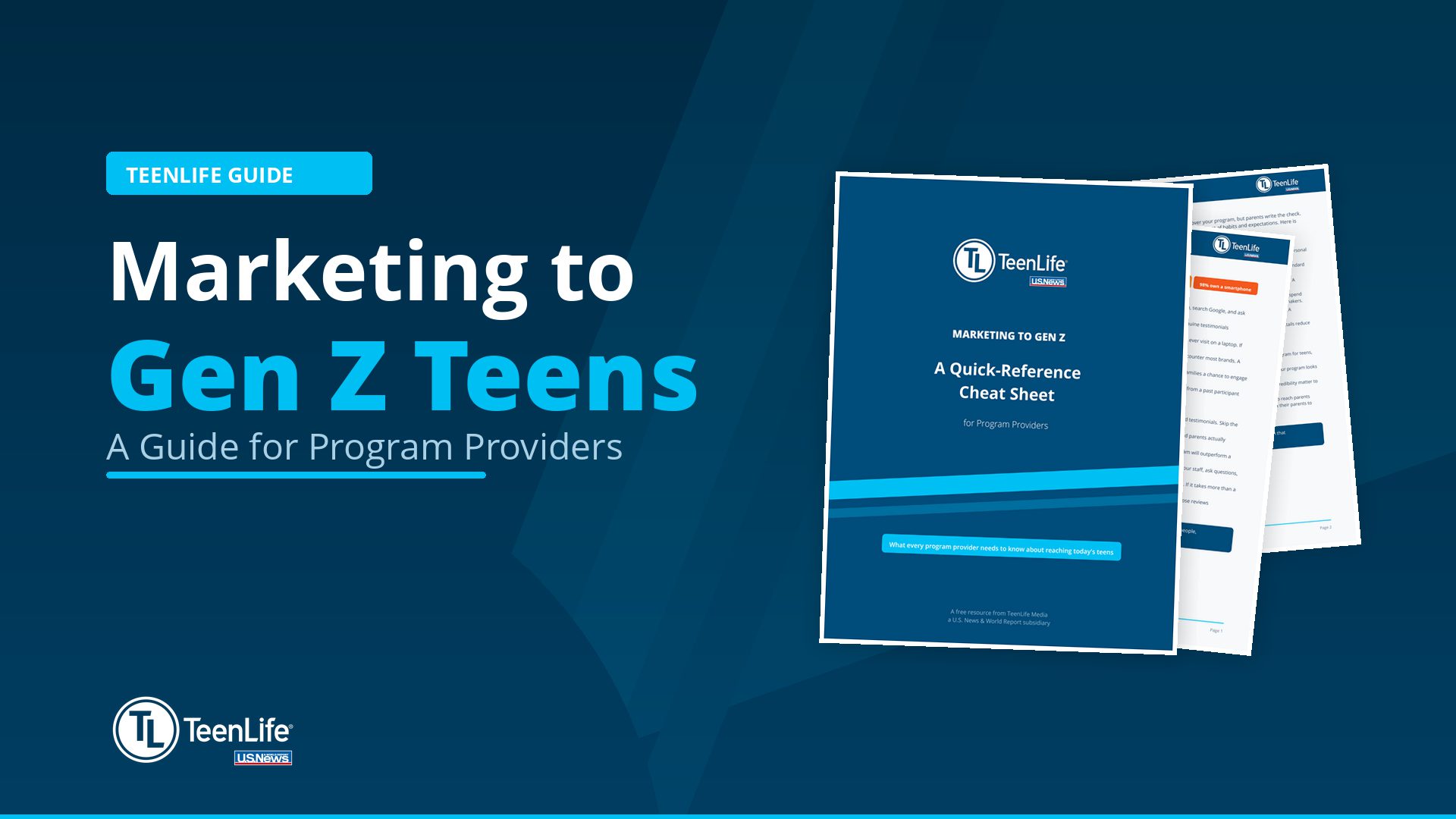
The exact cadence, the channel mix, and the message templates for each phase are where most teams need real tactical help. We've packaged the full sequence, including ready-to-personalize email templates and channel-specific do's and don'ts, into a free cheat sheet you can grab below.
The three channels (and how to actually use them)
Phone, email, and text each have a job in a strong follow-up sequence. Most programs use one or two and ignore the others. The programs that fill seats use all three in combination, but with discipline about what each channel is for.
Email is the workhorse for first touch, value-adds, and nurture. It's where parents do their research and where they forward your message to a spouse for input. Email follow-ups should be short, personalized to the specific program, and have one clear next step. The most common email mistake is the 500-word "complete information packet" that buries the call to action under five paragraphs of program description.
Phone is for the same-day personal touch and for moments when a deadline is approaching. Calls win when they happen fast and lead with a question rather than a pitch. They lose when admissions reads from a stiff script or leaves a two-minute voicemail.
Text is the channel most teen programs underuse and parents increasingly prefer. It belongs in the sequence for instant confirmations, time-sensitive nudges ("we have two spots left in the July session"), and event invites. Keep texts to two or three sentences, always identify yourself and the program, and never use SMS for long content.
Parents and teens are not the same lead
Here's a nuance most follow-up systems miss: a family inquiry is usually two leads, not one. The parent is one decision-maker and the teen is the other, and they have different concerns, different preferred channels, and different timelines.
Parents lead with questions about safety, supervision, accreditation, and value for money. They want documentation, they want testimonials from other parents, and they often need two to four weeks to discuss with a spouse and weigh budget. Email is their primary channel for information; phone is their channel for actually deciding.
Teens lead with one question: will this be fun and will I meet people like me? They're moved by student stories, behind-the-scenes content, and short videos from real sessions, not brochure language. Their preferred channels are text and social, not email. They decide emotionally and quickly, then they become your internal advocate to their parents.
A follow-up sequence that only talks to parents misses half the influence in the household. A sequence that only talks to teens misses the person who actually signs the check. The strongest sequences plan distinct touchpoints for each.
Five follow-up mistakes that cost real enrollments
We see the same five patterns in nearly every admissions audit:
The first is waiting too long for the first touch, which we covered above. The second is giving up after one or two attempts when the data shows that six to eight contact attempts in the first two weeks is the actual sweet spot. The third is sending generic "thanks for your interest" messages that could have gone to any inquiry on any topic; personalization to the specific program is non-negotiable. The fourth is leading with logistics (pricing, schedule, packing list) before building any desire for the experience itself. And the fifth is having no system at all for tracking who has been contacted, when, and by whom, which means leads slip through the cracks the moment your admissions coordinator takes a vacation day.
Each of these mistakes is fixable in a single afternoon if you have a clear playbook to work from.
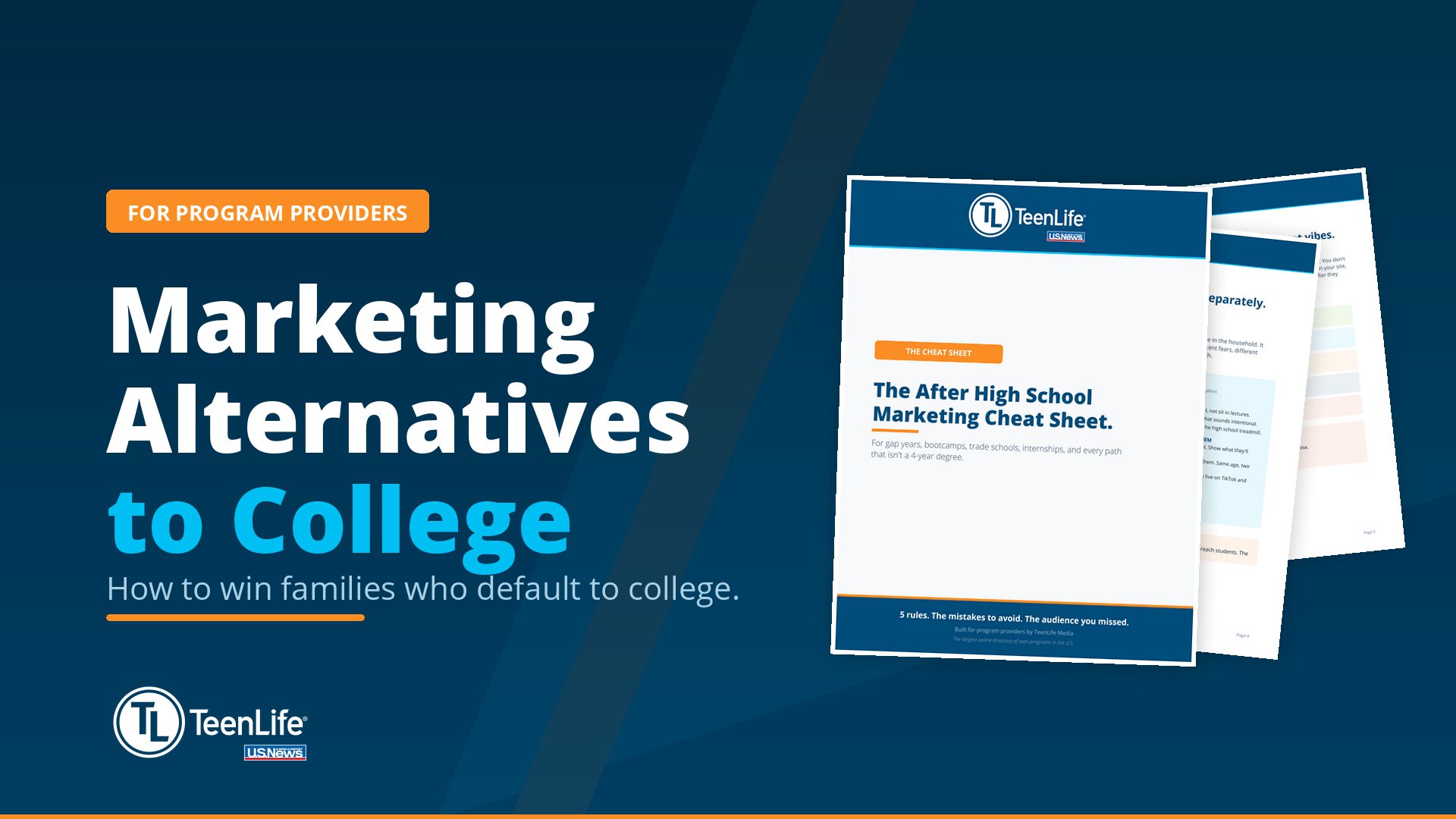
A free cheat sheet: timing, templates, and tactics
We pulled the full follow-up framework into a one-document quick-reference guide built specifically for teen program providers. The cheat sheet includes:
- The exact timing cadence for each phase, with what to say at each step
- Channel-by-channel do's and don'ts for email, phone, and text
- The five mistakes that cost enrollments, with the fixes
- The three quick wins your admissions team can implement this week
- A parents vs. teens follow-up comparison so you're speaking to both decision-makers
It's free, it's a single PDF, and it's designed to sit next to your admissions desk.
How TeenLife helps program providers fill seats
TeenLife is where families go to discover teen programs. Parents and students actively research summer programs, gap year experiences, pre-college programs, community service trips, and more on TeenLife.com, which means inquiries that come through your listing are already further down the funnel than most cold leads.
Our program listings put your program in front of the right families, our editorial guides and virtual fairs surface programs to families ready to compare options, and our upgraded listings include custom auto-response emails so every inquiry gets an instant, branded reply from your program with zero manual effort. We also provide analytics on who's viewing your listing so you can see what's driving interest.
If you want to see how it works for your specific program, you can book a quick demo with our team.
FAQ
How quickly should I respond to a new inquiry from a teen program lead?
Within five minutes if possible, and no later than the same day. Research from MIT/InsideSales.com found that response within five minutes makes a lead 21 times more likely to qualify than response within 30 minutes. For teen programs where families often inquire about multiple options in one sitting, the first program to respond meaningfully usually wins the conversation.
How many follow-up attempts should I make before giving up on a lead?
Six to eight attempts spread across the first two weeks is the sweet spot. Most admissions teams stop after one or two, which is why so many viable leads go cold. Spreading attempts across email, phone, and text reduces the chance of being filtered out or ignored.
What's the best channel for following up with parents vs. teens?
Parents prefer email for information and phone for decision-making conversations. Teens almost exclusively respond to text and social media. A strong follow-up sequence uses different channels for each, because the parent and the teen are effectively two different decision-makers in the same household.
Should I use automation or personal outreach for lead follow-up?
Both. Automation handles the instant confirmation, the deadline reminders, and the long-tail nurture sequence. Personal outreach handles the same-day call, the value-add follow-up on day two or three, and any moment where a real conversation is going to move the family forward. The mistake is using only one or only the other.
What should a same-day follow-up email actually say?
Reference the specific program the family asked about, keep it under 150 words, ask one open-ended question (such as "What's most important to you in choosing a program?"), and include one clear next step. Generic "thanks for your interest" emails with no personalization perform worse than no email at all because they signal that you're not really paying attention.

Dustin Silvaer
Dustin Silvaer is a Digital Marketing Manager at TeenLife.com, where he leads paid advertising, marketing automation, and partnership development for one of the largest teen program directories in the country.



Organization with listings on TeenLife? Login here
Register for Free
We’re here to help you find your best-fit teen-centered academic and enrichment opportunities.
Forgot Password
"*" indicates required fields