


5 Tips For Effectively Communicating With Teens Via Email Marketing
Posted May 19, 2026, 4:13 pm by
Teen program providers often treat email marketing as one audience, one message. That's the first mistake.
Your email list has two distinct groups: the teens themselves, who research programs and push for the ones they want, and the parents, who write the check and often have final say. According to Statista, over 93% of people aged 15-24 in the U.S. use email, so teens are absolutely reachable this way. But Pew Research also makes clear that parents are just as engaged online, and they're the ones comparing programs before making a commitment.
The tips below apply to both audiences, with notes where the approach should differ.
1. Segment Your List Before You Write a Word
Email marketing works when the right message reaches the right person. Sending one email to your entire list guarantees most of it is irrelevant to most readers.
Start with two basic segments: teen contacts and parent contacts. From there, layer in program interest (arts, STEM, pre-college, gap year), geography, and where they are in the funnel (first inquiry vs. returning alumni family). Segmented campaigns achieve 14% higher open rates and 28% better click-through rates than unsegmented sends. That gap compounds quickly across a registration season.
Practically speaking: a teen who inquired about a marine science program doesn't need your performing arts brochure. A parent of a returning attendee doesn't need a "what is TeenLife?" intro email. Get specific, and your open rates will show it.
2. Write Subject Lines for a 3-Second Scroll
Subject lines are where most email campaigns succeed or fail before they start.
Roughly 55% of all emails are now opened on mobile devices, and 67% of Gen Z specifically checks email on their phone. Mobile inboxes display around 25-30 characters before the subject line cuts off, compared to 60 characters on desktop. That means your first four or five words have to do all the work.
A few rules that hold up:
- Lead with the most important word. "Last chance: X program deadline Friday" beats "Don't miss this important deadline about X program"
- Personalization helps. Using the recipient's first name in the subject line lifts open rates by 20-26%
- Deliver what you promise. If the subject line says "spots available", the email better confirm that. Bait-and-switch subject lines train readers to ignore you
One important note for parent-targeted emails: parents respond to clarity and specificity. "Summer 2026 deadlines for [Program Name]" outperforms vague subject lines like "Important updates from TeenLife" every time.
3. Get to the Point Fast
Everyone knows that teens don't read long emails, but parents don't either. they're managing inboxes, jobs, and a household simultaneously.
The average read time on mobile is under 10 seconds. That's not a lot of runway. Your email should open with the most important information, not a paragraph of context-setting, not a company intro, not a "hope this finds you well."
For teen-facing emails: front-load the experience. What will they do? Where will they be? Who will they meet? Lead with that, not logistics.
For parent-facing emails: front-load the practical information. Deadlines, program costs, what's included, application steps. Parents are researching multiple programs at once, so the clearer your email is, the faster they can compare.
Both audiences benefit from short paragraphs, a clear call to action button, and no more than one ask per email. If you want them to apply, the email should ask them to apply. If you want them to book a call, ask for that. Multiple CTAs in one email split attention and reduce action on any of them.
4. Design for Mobile First
Since the majority of your emails will be opened on a phone, design accordingly.
A single-column layout is standard. Multi-column designs often break on small screens. Use a header image at the top, keep the body tight, and place a bold CTA button near the bottom where the thumb naturally lands. Font size should be at least 14px for body copy, as anything smaller than that is hard to read without zooming in.
Images help, but don't overload the email. One strong header image (ideally showing real participants, not stock photos) sets the tone. Past that, images can slow load times and trigger spam filters if the image-to-text ratio is too heavy.
Your CTA button needs three things: a clear label ("Apply Now" or "Save Your Spot"), a visible color contrast, and a working link. That last one sounds obvious. Double-check it every time anyway.
For teen-facing emails specifically, keep visual design energetic but uncluttered. For parent-facing emails, a cleaner, more text-forward design often performs better. They're reading for information, not browsing for inspiration.
5. Use Email to Trigger Word-of-Mouth, Not Just Share Buttons
The old advice was to add social share buttons to marketing emails so readers could forward your content to their networks. In practice, those buttons get almost no clicks.
A more effective approach: ask directly.
For teen recipients: include a one-liner at the bottom inviting them to share the program with a friend who might be interested. Give them something specific to share, like a link to the program listing, not just the homepage. Teens share things with their friend group when it feels genuinely relevant, not because a button exists.
For parent recipients: a "forward to a friend" text link works better than a share button. Parents of teens know other parents of teens. A direct ask at the bottom of a helpful email ("Know another family looking at summer programs? Forward this along") is simple and often works.
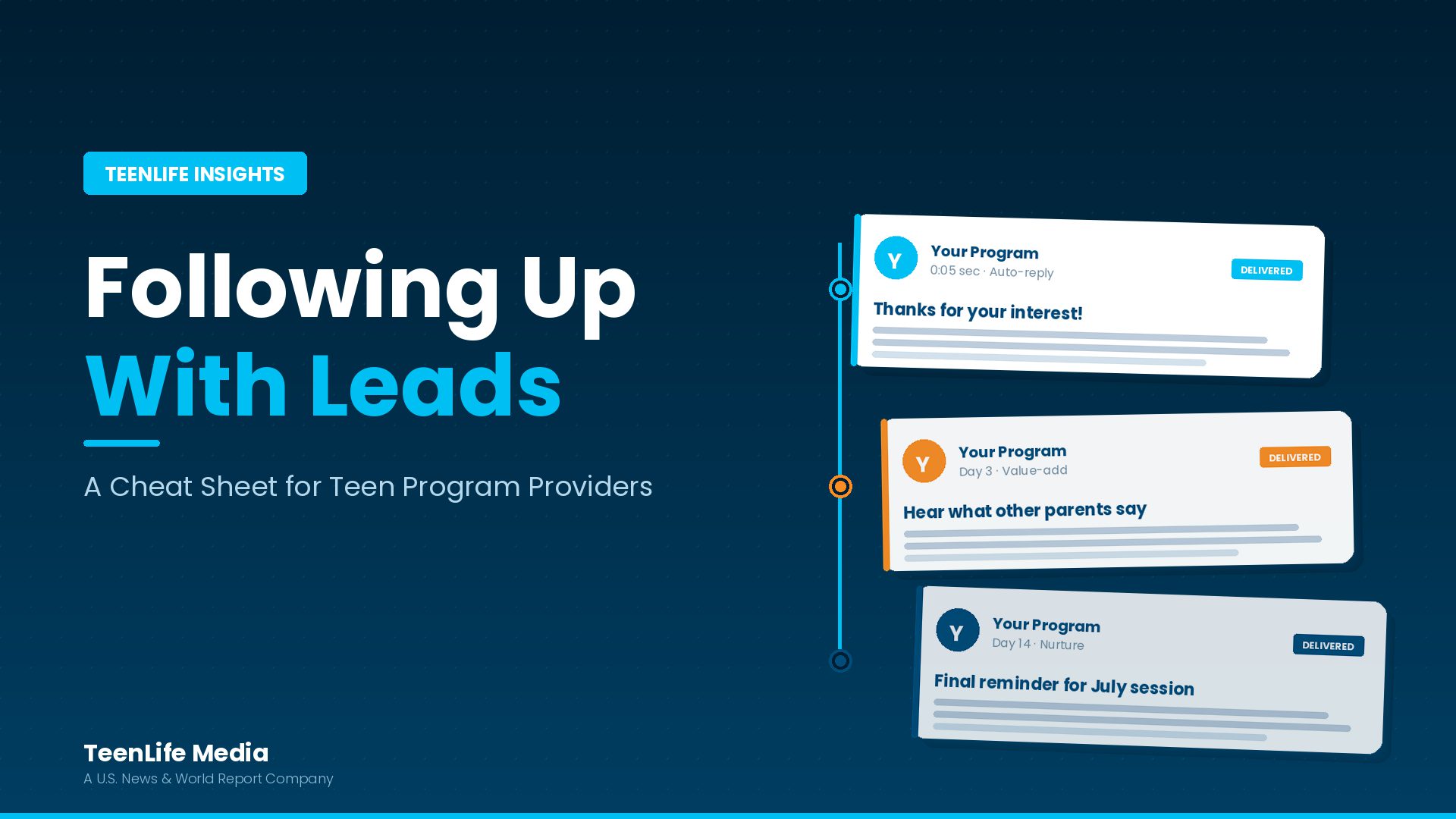
You can also use email to collect UGC. Automated emails sent after a program ends thanking participants and asking for a review, a photo, or a short testimonial give you content that fuels future marketing across every channel.
Know Your Audience Before You Hit Send
Email is still one of the highest-ROI channels in marketing, returning $43 for every $1 spent on average across industries. But that return depends entirely on sending relevant content to the right people.
If your list is a mix of teens, parents, past attendees, and cold contacts all receiving the same message, most of that potential is going to waste. Segment first. Write to a specific person with a specific goal. Keep it short, make it mobile-friendly, and ask for one clear action.
The mechanics of email marketing are not complicated. The discipline to execute them consistently is where most program providers fall short.
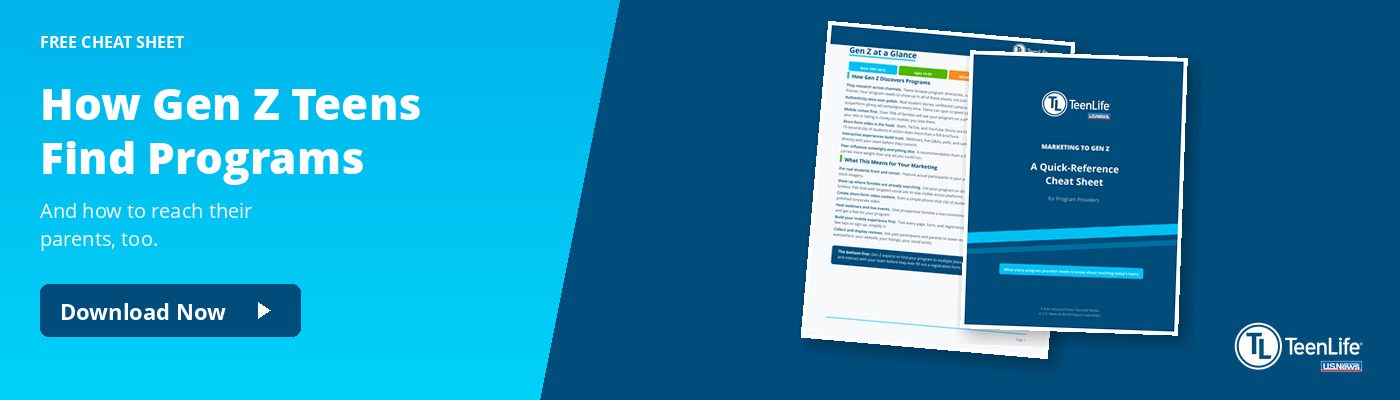
Want to know who you're actually emailing?
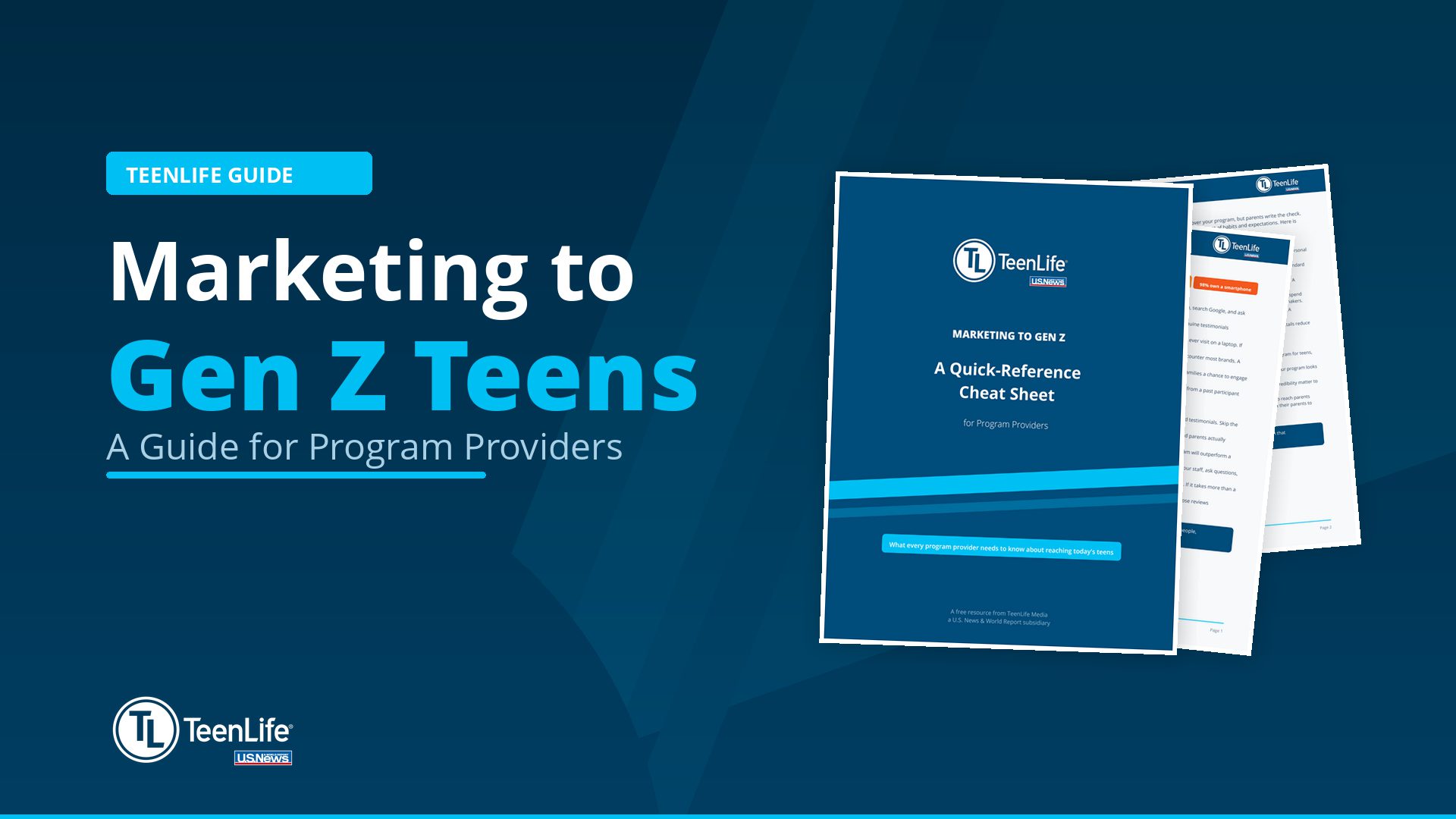
Marketing to teens looks different from marketing to any other audience. Our free Gen Z Marketing Cheat Sheet breaks down how today's teens discover programs, what actually influences their decisions, and how to reach them on the platforms they use most. Download it free!

TeenLife
For more information on this and other great programs for high school students, go to www.teenlife.com.


Organization with listings on TeenLife? Login here
Register for Free
We’re here to help you find your best-fit teen-centered academic and enrichment opportunities.
Forgot Password
"*" indicates required fields