



AI & tech in healthcare
Posted by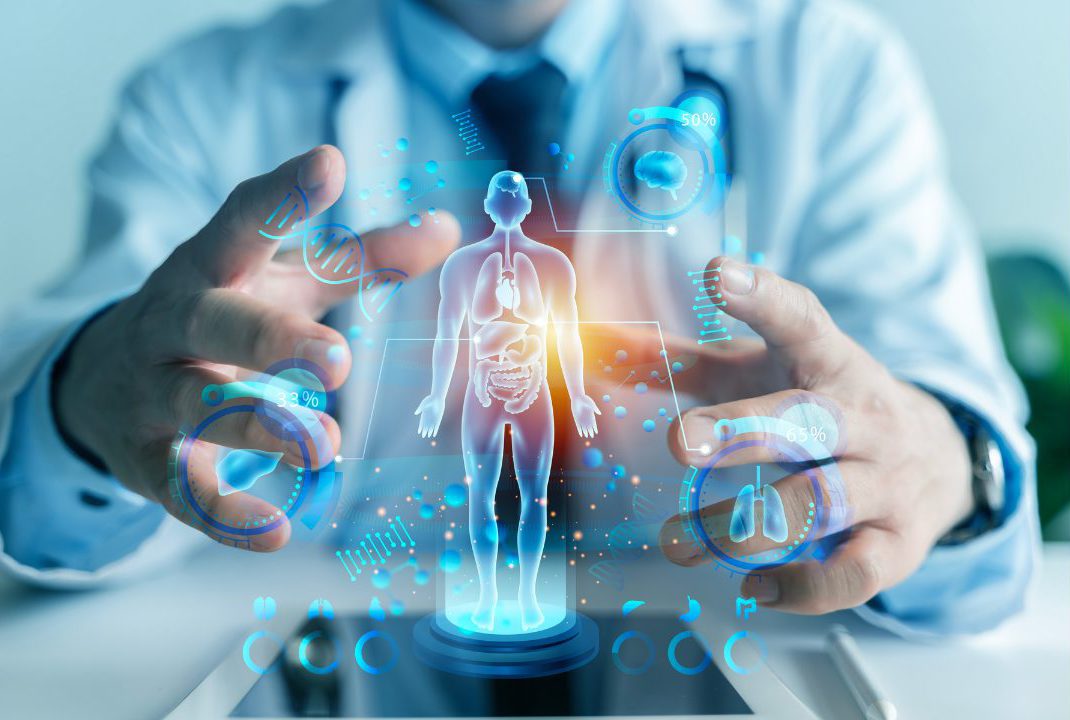
Will AI take my job???
While you’ll hear this question worldwide, the answer isn’t a simple yes or no.
Throughout history, automation has reshaped every industry — from assembly-line robots and automated phone systems to digital publishing tools. AI is just the latest chapter in this story of technological progress, and it might be one of the most exciting and far-reaching yet. But what does its rise mean for the millions of people working in healthcare?
A recent UN Trade and Development report projects a 25x market increase in AI use from 2023 to 2033. AI is accelerating fast across all industries, and healthcare is no exception in the push to adopt this technology. But you don’t need to worry about AI doctors and nurses taking over hospitals just yet.
How will AI transform the healthcare sector?
According to the Cleveland Clinic, the whole point of integrating AI and healthcare is “to allow people to work more effectively and efficiently.” Its benefits include:
- Improving diagnostic accuracy, especially in medical imaging.
- Speeding up emergency care and triage.
- Tracking health changes more consistently over time.
- Enabling more personalized treatment plans.
- Accelerating medical research and discovery.
- Reducing administrative workload and paperwork.
The sum of these goals? A vision of AI helping doctors deliver better care to more people. Of course, creating and implementing safe, effective AI tools presents some unique challenges, but these advancements coincide with a period of unprecedented need in the healthcare industry.
Experts say the U.S. could be short 85,000 doctors and 402,000 registered nurses by 2036. Many organizations are already understaffed and their employees overworked. And let’s be real: the whole “robot doctors and nurses” concept won’t leave the world of sci-fi anytime soon (sorry, diagnosing yourself via chatbot still isn’t a substitute for real medical care!). AI isn’t a magic fix for staffing shortages, but it can help by easing administrative burdens and boosting efficiency.
According to one 2025 survey, 22% of healthcare orgs have implemented AI tools. But what are the implications of their use for future healthcare professionals?
Introducing AI tools to the workplace
If you caught episode two of The Pitt, you may remember the moment where Dr. Al-Hashimi, the new ER attending, demonstrated the use of an AI voice transcription tool to reduce time spent charting (writing down what happened during a patient encounter).
The real-life version? Microsoft Dragon Copilot, which listens to conversations and converts them into customizable notes. This is just one small example of how AI tools streamline healthcare admin, leaving more room for patient care.
But this rapidly evolving AI landscape means new tools and systems make mistakes. When another doctor points out that the automated transcription has cited the incorrect medication, Dr. Al-Hashimi says doctors and nurses must still carefully proofread and correct any errors.
Yes, the AI tool helped speed things up. However, professionals still own the final word and responsibility.
Where AI Is opening new doors in healthcare
Artificial intelligence is doing more than reducing humans’ time spent on administrative tasks. Specialized medical AI firms, research institutions, and tech giants are developing AI to:
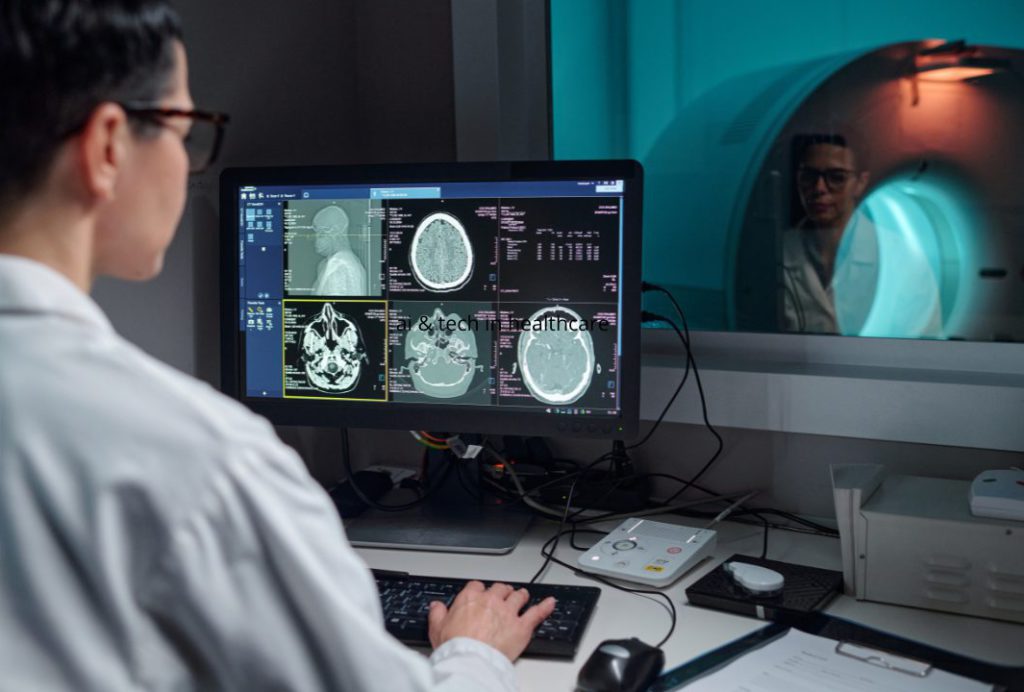
- Interpret brain scans with superhuman accuracy.
- Spot bone fractures that humans might miss.
- Help decide who really needs an ambulance ride to the hospital.
- Detect early signs of diseaselong before symptoms show.
While many of these more “hands-on” applications remain in testing, it won’t be long before more AI tools currently under development will launch into the healthcare market.
AI challenges and roadblocks
Given that medical advancements carry life-or-death consequences, the healthcare industry’s hesitation toward AI is both understandable and expected. And while there’s no question that AI can improve the lives of both healthcare workers and patients, not every AI advancement gets a green flag. The industry requires extensive, rigorous testing, regulation, and oversight before new drugs, medical devices, and vaccines gain approval, after all.
In its 2025 White Paper on The Future of AI-Enabled Health, the World Economic Forum (WEF) said “the potential of AI in healthcare has yet to be fully realized.” The report also identified several potential barriers:
- Political conditions: Election cycles and government rules can make it hard to see long-term results or expand new ideas.
- Need for scale: To really make a difference, health solutions need extensive data and long-term testing.
- Resource limits: Budgets are tight, and countries can only spend so much on health relative to other priorities.
- Resistance to change: People in medicine can be slow to adopt new practices due to habits or caution.
- Old systems and rules: Outdated systems, regulations, and incentives can block new technology from operating at optimal levels.
Other inconsistencies and inaccuracies, including conflicting medical advice, misstated facts, and unreliable code generation, highlight the importance of a human touch (and perspective) whenever AI is involved.
How tech is creating new career paths
Contrary to some beliefs, AI’s evolution (and technology in general) is creating new jobs in healthcare. These roles didn’t exist a decade ago, and each requires different skill sets and education, opening new paths for students and current professionals alike.
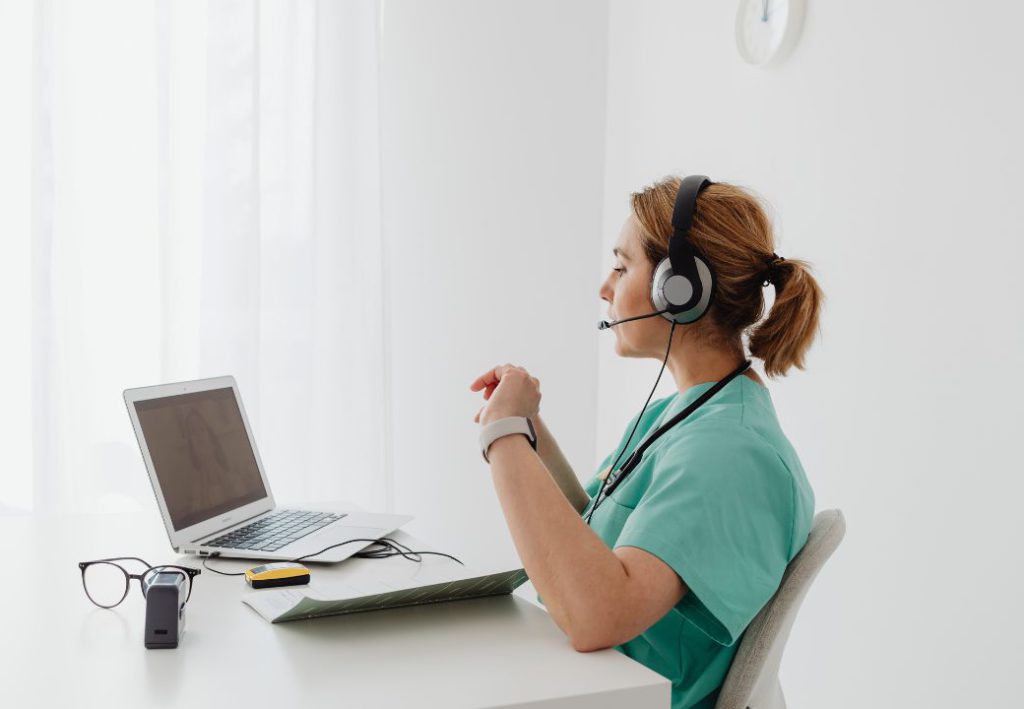
Even remote work opportunities are expanding. If you want to work directly with patients, but virtually, check out these careers.
- Remote Patient Monitoring Specialist: These professionals monitor patients’ vital signs from a distance and alert clinicians when anything seems off. They also help patients manage medication and change their lifestyle to improve their health. Nurses, allied health professionals, or those with health IT experience can enter this field after completing platform-specific training or earning an RPM certification.
- Tele-Triage Nurse / Clinician: Every phone or video call is a mini emergency drill: a pro evaluates symptoms, determines the level of urgency, and connects patients with the right resources. Quick thinking and clear communication are essential, and most positions require an RN or equivalent clinical license plus experience in triage or telehealth.
- Virtual Care Coordinator: This role helps patients comply with their treatment plans by coordinating appointments and tracking follow-ups. A degree or background in health administration, nursing, or patient services is typically required.
If you love bio but also want to sit behind a keyboard building the next life-saving algorithm, turn that passion into a career.
- Healthcare Machine Learning Engineer: These engineers help develop AI systems designed to support healthcare. They develop models and improve performance using real patient datasets and test algorithms to ensure accuracy and reliability. Most roles require a degree in computer science, data science, or biomedical engineering.
- Medical Informatics Specialist: This role converts messy patient data into useful insights. Much of the work revolves around electronic health record systems and clinical data analysis. Most specialists have a master’s in health informatics, and certifications like RHIA (for managing and protecting patient data) or CPHIMS (for using health IT to improve care) give you an extra edge.
- Health AI Ethicist: These professionals ensure the algorithms used for patient care are fair, safe, and unbiased. The role involves advising development teams and drafting ethical guidelines for healthcare applications. To succeed in this position requires a strong background in bioethics, healthcare policy, or philosophy, paired with a working understanding of AI systems, machine learning, and healthcare data.
Embracing technology as it comes
Will AI take over healthcare? No. But it will transform how people give and receive care. The best way to prepare for this change? Stay curious and try new tech.
Whether you’re aiming for an associate degree in nursing or a master’s in systems medicine, seek opportunities to familiarize yourself with new and emerging technology. Explore virtual patient monitoring platforms, practice analyzing health data with tools like Excel or Python, or volunteer with telehealth programs. Pre-med students can take courses in machine learning or medical informatics. Nursing and allied health students can apply for clinical rotations that use digital health technology.
No matter where you are in your career or education, keep an open mind. Change (and accepting it) takes time, but exploring these tools now will help you feel ready for the next wave of healthcare innovation.

Stefanie Tedards
Stefanie Tedards is a freelance writer and Senior Copy Editor at CollegeAdvisor.com. Since graduating from Northwestern University with a degree in Communications, she has worked in advertising, video production, and volunteered as a WWOOFer on farms across the world.
Blog Categories
- Career Advice
- College Admissions
- Colleges & Universities
- Financial Aid and Scholarships
- For Counselors
- For Parents
- For Students
- Gap Years
- Mental Health and Wellness
- Online Learning
- Performing and Visual Arts
- STEM Majors and More
- Summer Programs
- Teen Volunteering
- Trade & Vocational Schools
- Tutoring & Test Prep




Organization with listings on TeenLife? Login here
Register for Free
We’re here to help you find your best-fit teen-centered academic and enrichment opportunities.
Forgot Password
"*" indicates required fields